
History
Games, Dining & Community:
A History of Centennial Park
Centennial Park has been a cornerstone of the Nashville community for well over a century since formally being designated in 1903. It provides a natural space where locals and tourists alike can come together to discover some of the best our city has to offer.
The Parthenon, Lake Watauga, the Centennial Art Center, and a one-mile walking trail are just a few key features within the 132 acres of land on West End and 125th Avenue North that keep visitors coming back. With so many iconic features, it may be surprising that Croquet Cafe is the first permanent dining establishment on the grounds. But a closer look at Centennial Park's history reveals a longstanding connection between food, croquet, and the power of shared experiences to bring people together.

The Cuisine of Centennial Park
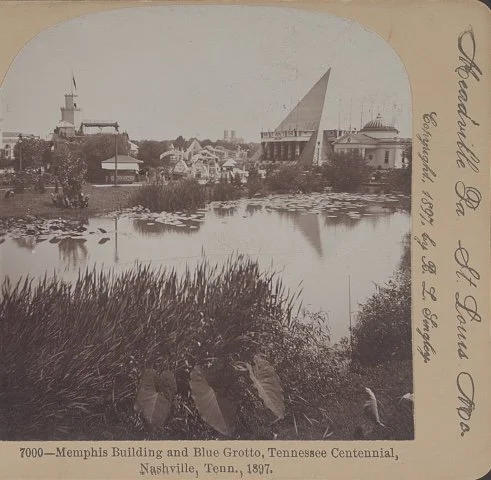
The first known record of formal food establishments within Centennial Park occurred at the Tennessee Centennial Exposition in 1897, a hundred year birthday celebration for the state which, funny enough, was celebrated a year after the actual hundred year anniversary of its statehood. That extra year was not wasted, though. Rather, it was spent preparing for one of the most iconic events in Nashville’s history, complete with rides, educational exhibits, the original Parthenon replica, and many food vendors offering tastes from around the world. Of course, the standard peanuts and popcorn expected from a state fair were present, but the real draw was in the various restaurants that were built throughout the park for the Exposition.
The Blue Grotto, an Italian-style bistro overlooking Lake Watauga, was a popular dinner destination, while Cuban, Turkish, German, and French restaurants rounded out the culinary world tour offered to park visitors, and there were barbecue and beef sandwich stands to bring in some American flavors as well. Together, these restaurants and food stands made the 1897 Exposition a destination for culinary discovery as well as entertainment.
In keeping with the spirit of the event, these dining options brought people together by providing a space for them to share a meal within the park. Unfortunately, as it wrapped up in early October and the exhibits and rides were taken down, so too were the buildings that housed the park’s various restaurants. Over the years as the land was transformed into the Centennial Park we know today, the power of food was not forgotten. Festivals, fairs, and many other events held on the grounds warranted their own new spaces for park goers to grab a bite to eat and share a meal with one another, but outside of the temporary options, there were no permanent restaurants established in the park until now.
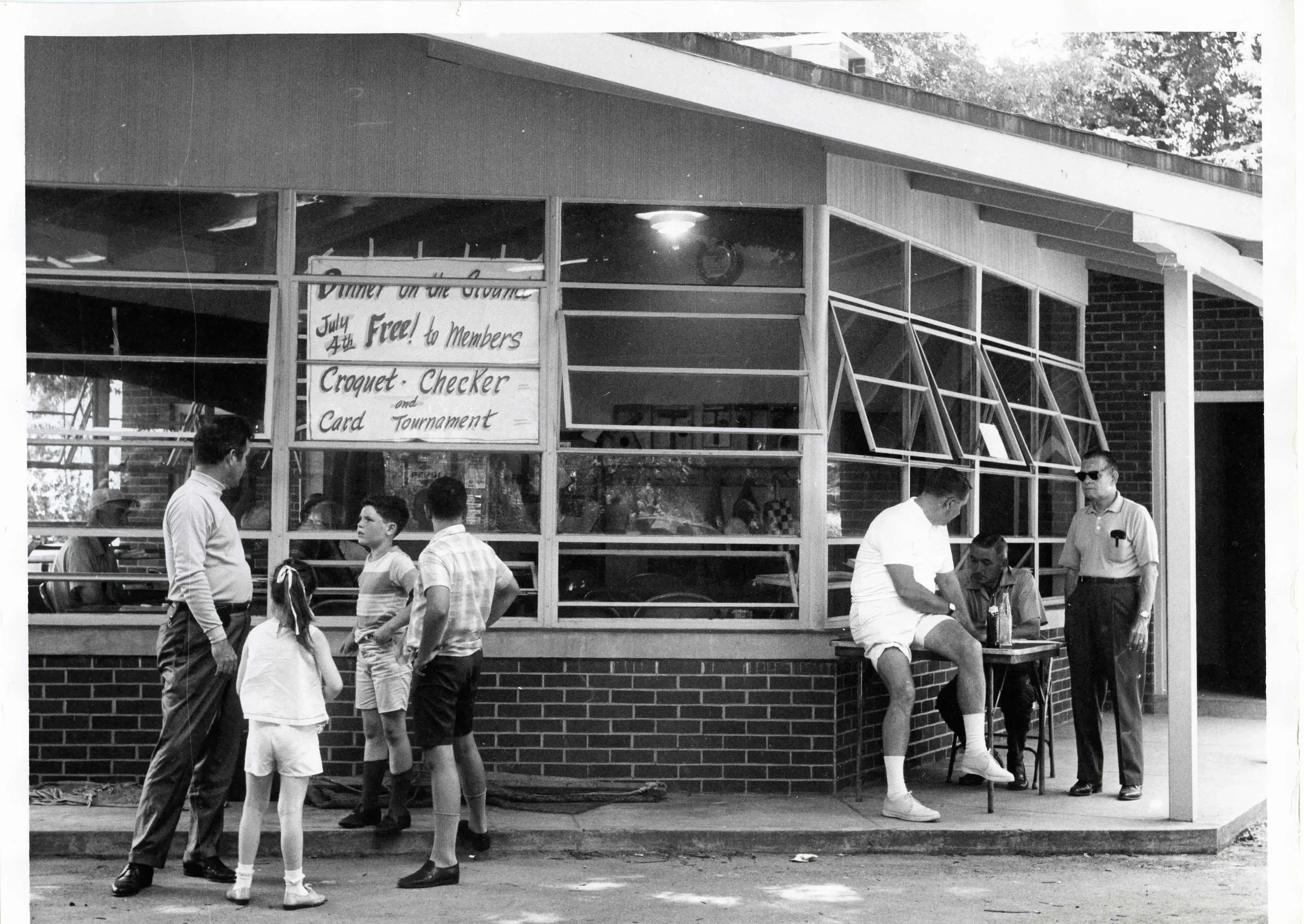
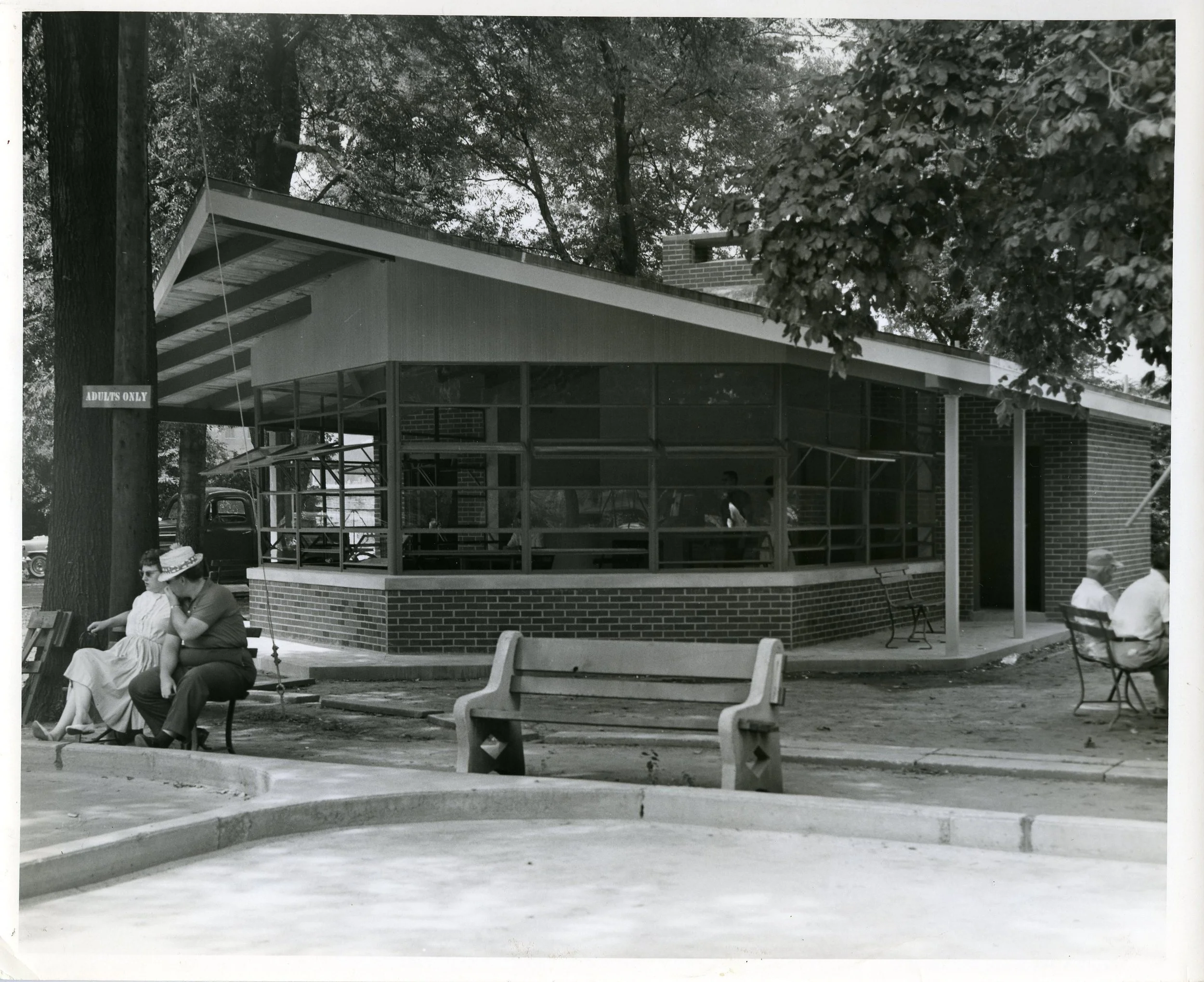
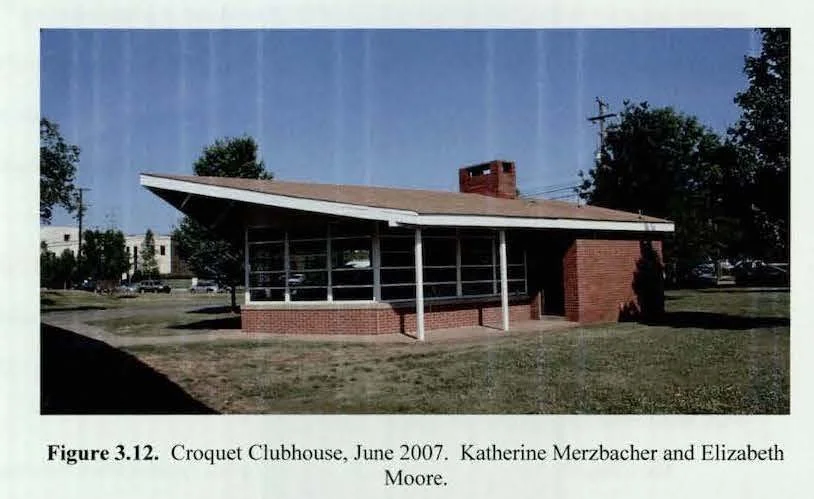
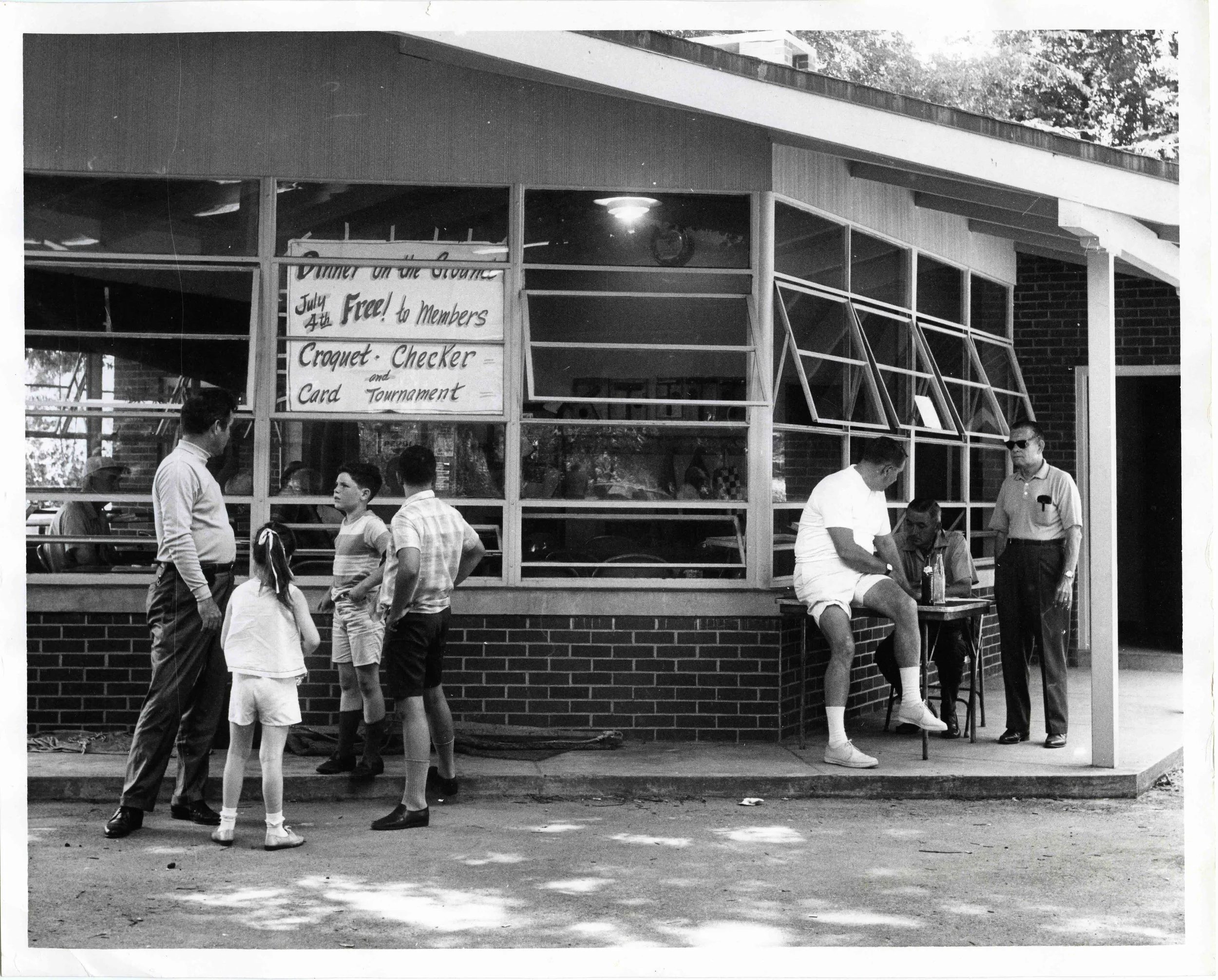
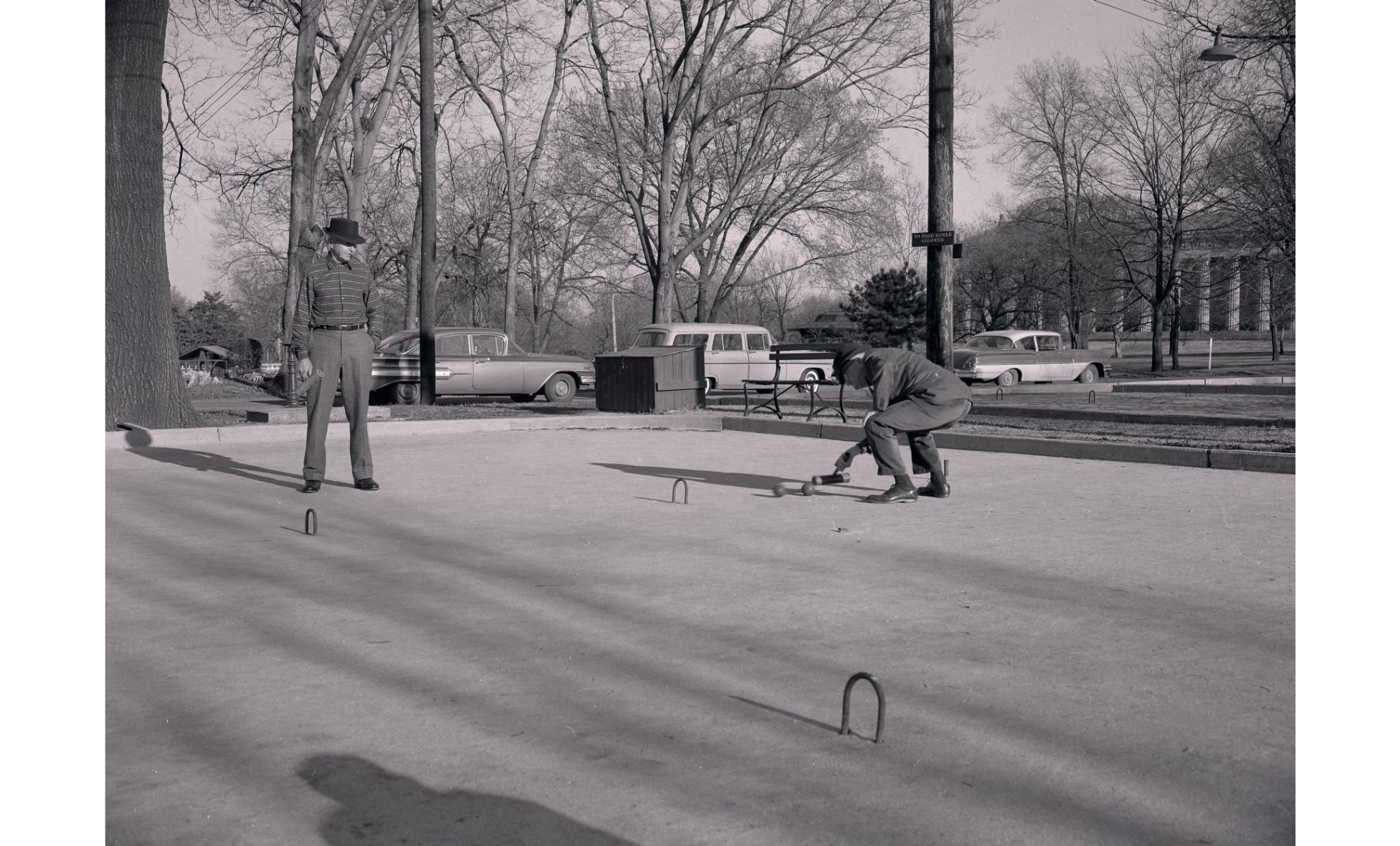
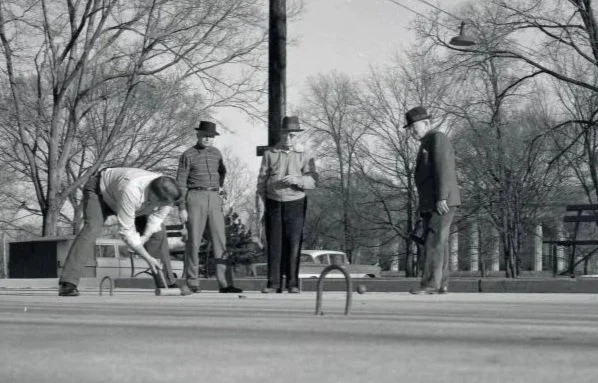
Built in 1963, the historic croquet clubhouse was the perfect choice for Centennial Park’s first permanent food venue. By marrying the land’s history of bringing people together through food with its history of bringing people together through outdoor activity, the Croquet Cafe is rooted in one of the core values of Centennial Park: community.
Croquet in the Park, Nashville & Beyond
Croquet is a simple game. Hit a ball through a set course of hoops in the correct order and direction, and then hit the center peg to win. Though simple in practice, the sport once held huge significance in American society, so much so that the Boston clergy denounced it in 1890 as a threat to public morality. At the time, the clergy was threatened by the allure of croquet as an opportunity for men and women to socialize without the need for a chaperone, and although such ideas faded along with the Victorian Era, the sport remained an incubator for such societal advancements. In the same way that the golf course, tennis court, or even a game of cornhole outside of a college football tailgate are now seen as avenues for professional or even political advancements, croquet kept its status as a social backyard party game with much bigger implications even after its first boom in popularity.
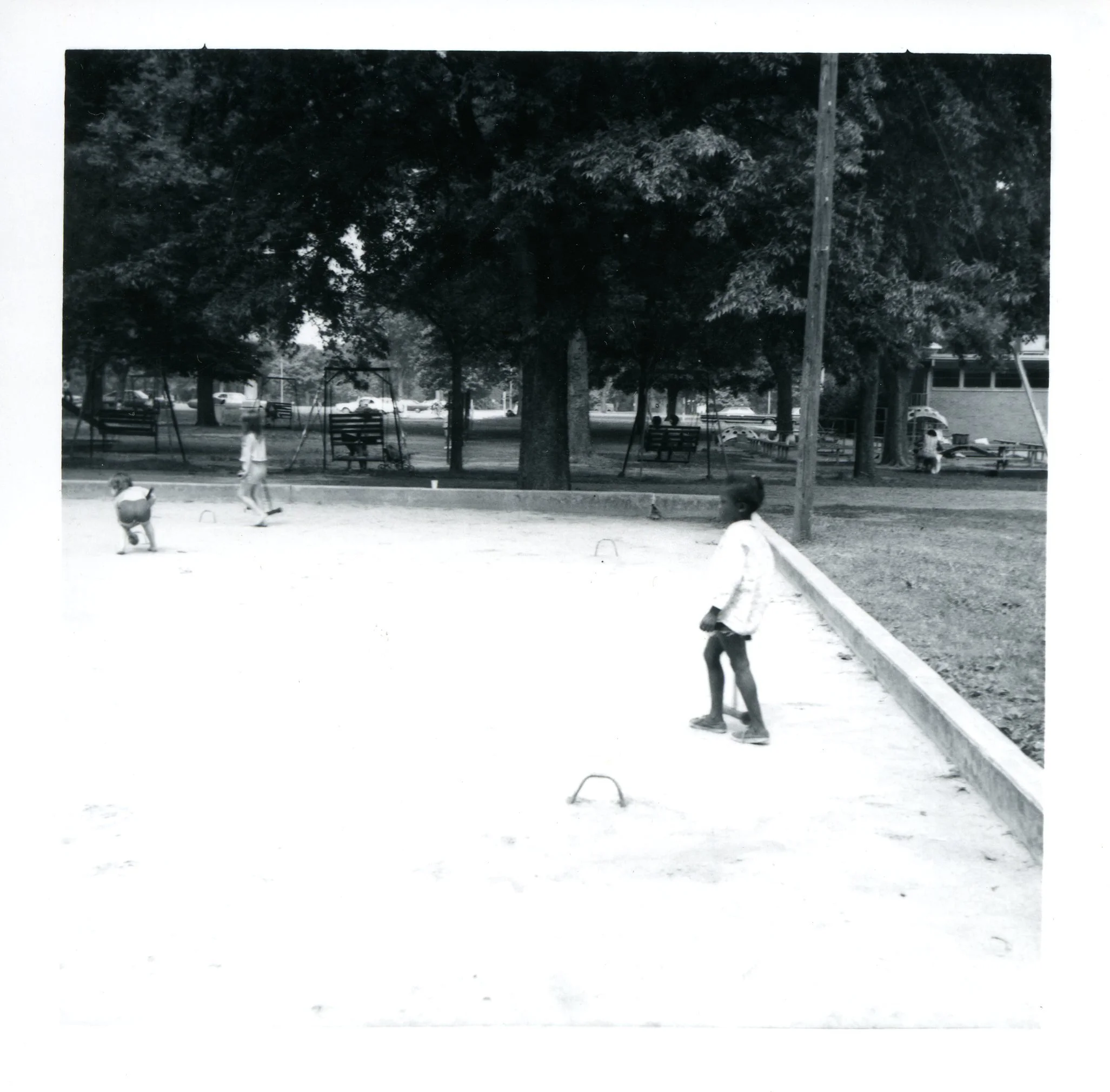
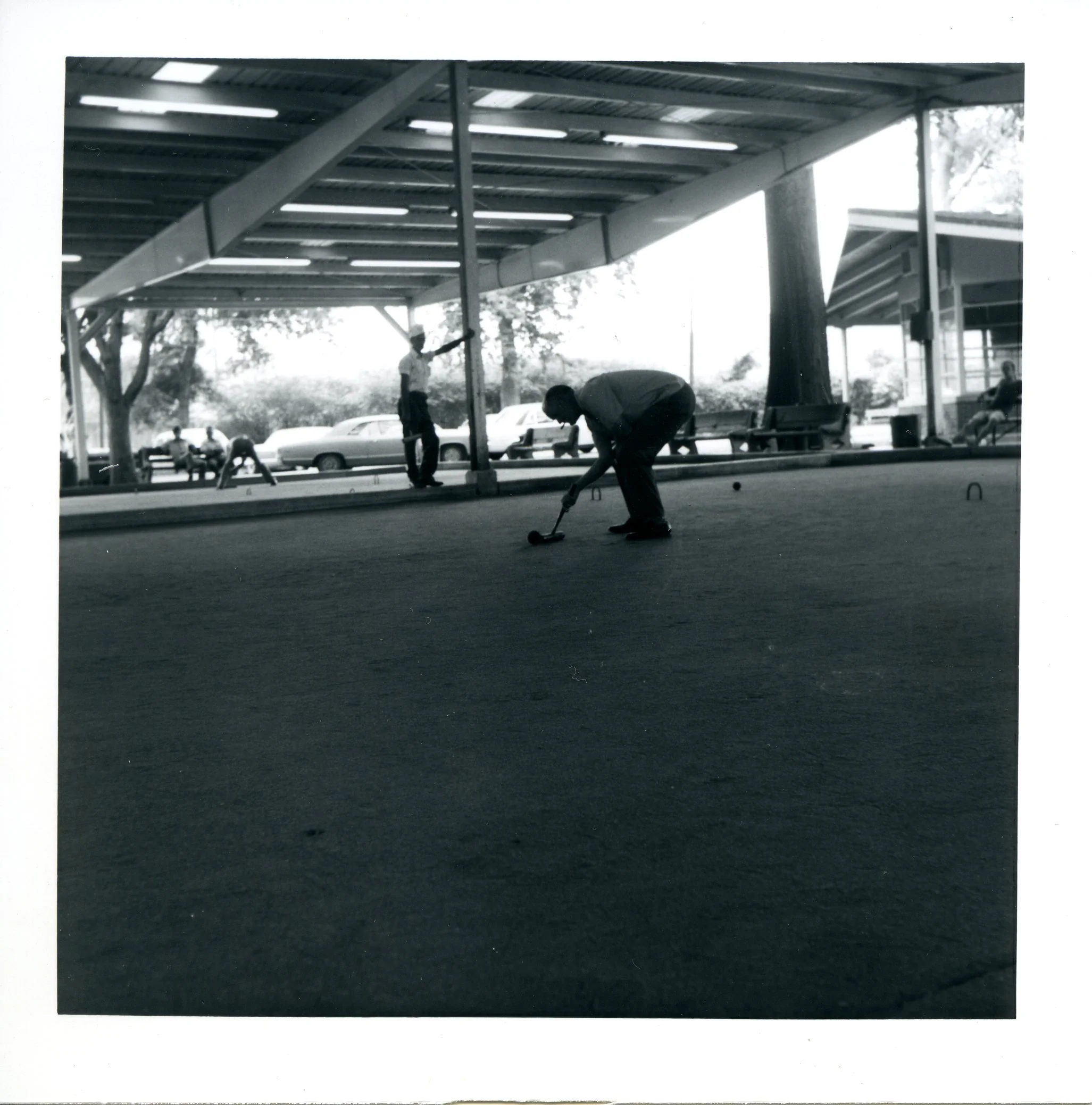
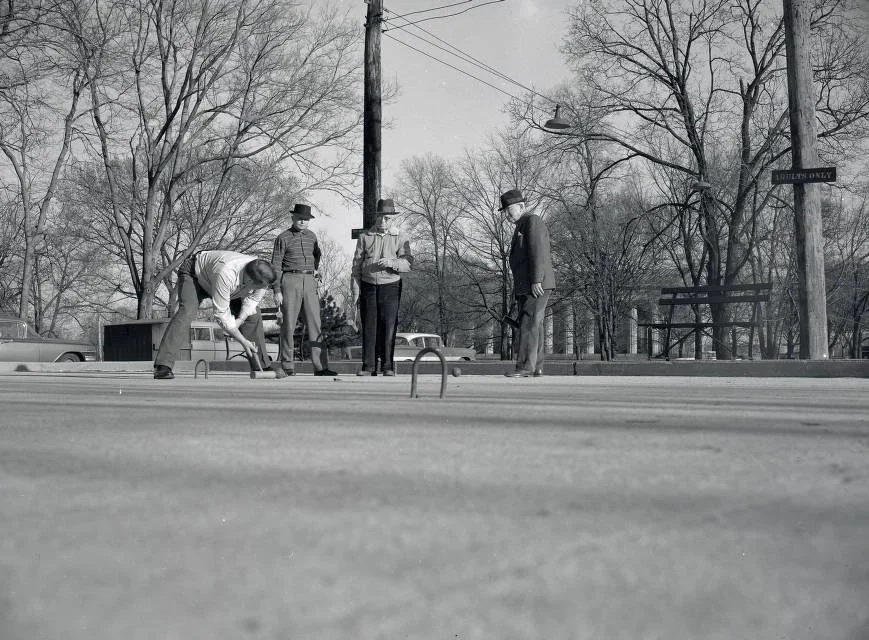
In Nashville, croquet was just as popular as anywhere else in the United States, reaching its peak during the late 19th century and seeing a few waves of resurgence in the 1930s and later in the 1950s and 1960s. These later spikes in popularity saw the sport leave the gardens and backyards for public courses established in parks around the city. Glendale Park, Greenwood Park, Hadley Park, and of course Centennial Park all boasted croquet courts that were open to the public which hosted youth and adult leagues. These initiatives brought croquet to a more general audience as opposed to the wealthy or elite families with whom it was largely associated at the time. Still, even though the sport was crossing over economic boundaries, the racial boundaries of the time reared their ugly head. Race still played a big factor in the public understanding of who could play croquet in the 1960s. There is evidence that it was popular among both Black and white citizens in Nashville, with Tennessee State (played at Hadley Park), Fisk, and Vanderbilt and American Baptist College all having dedicated teams, but the issues were with who was playing with whom. Being a game tied so tightly to the society of its time, recreational places in public spaces — just like Centennial Park’s former swimming pool — were often subject to the practice of segregation.
Conclusion
It is the hope that Croquet Cafe can play a small role in continuing Centennial Park's evolution into a welcoming space for everyone. By bringing people together over a meal and creating opportunities for shared experiences, the Cafe carries forward a long tradition of food, games, and community in the Park. Ideally here, Nashvillians and visitors alike can connect more deeply, regardless of background.
Article authored by Lawson Vaughn; research by Jessica Fitzpatrick.